
About Blenavon Big Pit and Museum
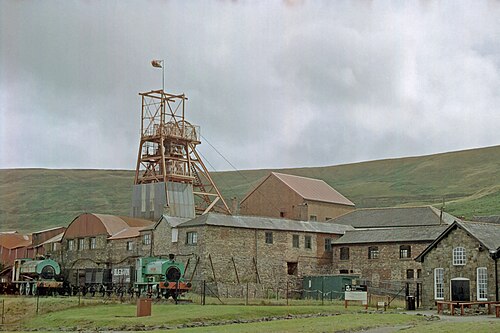
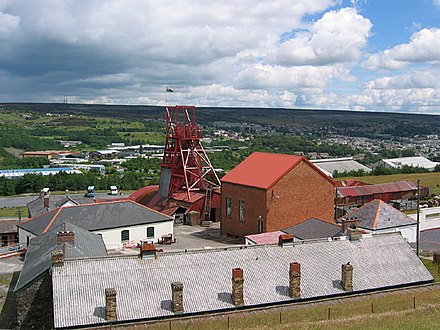
Blaenavon Big Pit, located in the heart of the Blaenavon Industrial Landscape in South Wales, is a remarkable site of historical and cultural significance. As a former coal mine turned museum, it offers a profound insight into the lives of the coal miners and the industrial heritage that shaped the region. Today, Big Pit is not just a museum but a testament to the hard work and resilience of the communities that thrived on coal mining.
The history of Big Pit dates back to the early 19th century when coal mining was at its peak in Wales. Coal from the South Wales Valleys was in high demand, fueling the industrial revolution and powering the nation’s factories and railways. Big Pit, named for its exceptionally large main shaft, opened in 1860 and quickly became one of the most important coal mines in the area. At its height, the pit employed over 1,300 workers and produced up to a million tons of coal annually.
One of the most compelling aspects of Big Pit is its transformation into a museum after its closure in 1980. In 1983, Big Pit reopened as the National Coal Museum of Wales, offering visitors an authentic and immersive experience of what life was like for the miners. The museum is part of the Blaenavon Industrial Landscape, which has been designated a UNESCO World Heritage Site due to its historical importance.
The underground tour is the highlight of a visit to Big Pit. Donning a hard hat and miner’s lamp, visitors descend 300 feet below the surface to explore the labyrinthine tunnels where miners toiled. Guided by former miners, these tours provide an intimate and personal perspective on the working conditions, challenges, and camaraderie of the mining community. The guides’ first hand accounts bring history to life, offering a moving tribute to the miners’ enduring spirit.
Above ground, the museum offers a wealth of exhibits that delve into the broader context of the coal industry. The pithead baths, introduced in the 1930s, are a significant feature. These baths were a revolutionary improvement, providing miners with the opportunity to wash off the grime of the mines before returning home, thus drastically improving hygiene and quality of life. The baths have been preserved and converted into exhibition spaces that detail the social history of the miners and their families.
Other notable features include the winding engine house, where the massive steam engines that powered the mine’s lifts and machinery are displayed. Visitors can also explore the blacksmith’s forge, the lamp room where miners collected their safety lamps, and the medical centre, all of which paint a vivid picture of the mining ecosystem. The museum’s exhibitions cover a range of topics, from the geological formation of coal to the technological advancements in mining and the impact of the industry on the local and national economy.
Blaenavon Big Pit also serves an educational purpose, offering a variety of programmes for schools and educational groups. These programmes are designed to enhance learning about industrial history, geology, and the social history of Wales. The interactive and hands-on nature of these programmes ensures that students gain a deep and engaging understanding of the topics.
Furthermore, Big Pit plays a vital role in preserving the cultural heritage of the Welsh mining communities. Events and activities, such as storytelling sessions, craft workshops, and seasonal celebrations, are regularly held to engage the local community and visitors alike. These events help maintain the cultural traditions and foster a sense of pride and continuity among the descendants of the mining families.
The significance of Blenavon Big Pit extends beyond its historical and educational value. It stands as a poignant reminder of the sacrifices and contributions of the miners who played a crucial role in shaping modern industrial society. The museum ensures that their stories and legacy are not forgotten, preserving a vital chapter of Welsh and British history for future generations.
In conclusion, Blaenavon Big Pit is more than just a museum; it is a living monument to the coal mining heritage of South Wales. Its immersive underground tours, comprehensive exhibits, and educational programmes offer a unique and poignant glimpse into the world of the coal miners. As a cornerstone of the Blaenavon Industrial Landscape, Big Pit continues to educate, inspire, and honour the memory of the mining community, making it an essential visit for anyone interested in industrial history and cultural heritage.
Find out more at Blaenavon World Heritage Site – Visit Blaenavon
Stay at Three Mountains Luxury Retreats in one of our recently refurbished suites.