

About Raglan Castle
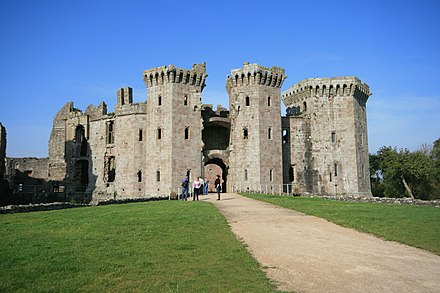
Raglan Castle, located in the small village of Raglan in Monmouthshire, Wales, is one of the most striking and historically significant castles in the country. Its grandeur and architectural sophistication make it a standout example of late medieval and early Renaissance design, reflecting the wealth and ambition of its builders.
The construction of Raglan Castle began in the mid-15th century, commissioned by Sir William ap Thomas, a Welsh knight of considerable influence. However, it was his son, Sir William Herbert, who transformed it into the magnificent structure we see today. Herbert, later created Earl of Pembroke, was a powerful figure in the court of King Edward IV, and his wealth and status are evident in the castle’s opulent design. Unlike many other castles of the time, Raglan was built not just for defence but also as a luxurious residence, blending functionality with aesthetic appeal.
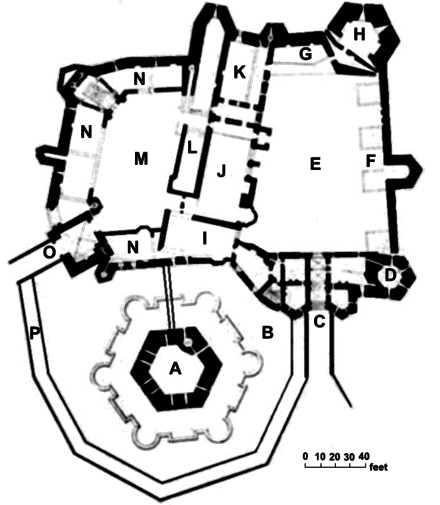
Raglan Castle is renowned for its impressive Great Tower, also known as the Yellow Tower of Gwent. This octagonal tower, standing over 70 feet tall, dominates the castle’s landscape. Originally surrounded by a moat, it served both as a formidable defensive structure and a symbol of the owner’s status. The tower’s walls, up to 10 feet thick, feature arrow slits and gun loops, highlighting the evolving military architecture of the period, which was adapting to the advent of gunpowder and artillery.
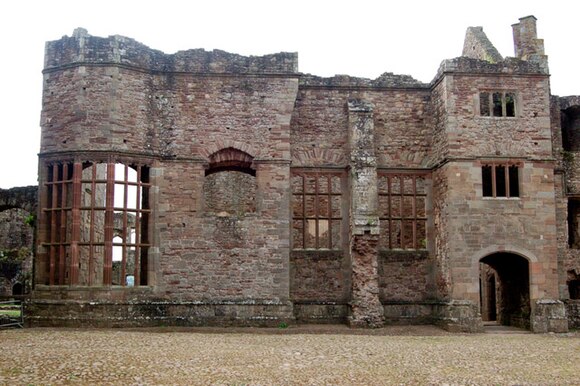
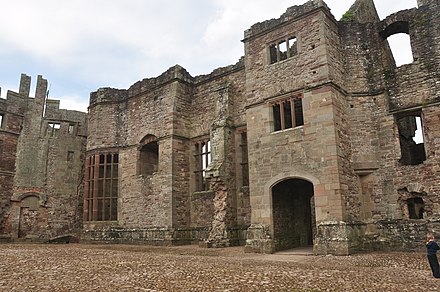
The castle’s layout reflects the transition from medieval fortresses to more comfortable and stately homes. The Great Gatehouse, with its twin towers, is particularly noteworthy. It was designed not only to provide security but also to impress visitors with its grandeur. Inside the castle, the luxurious accommodations included a grand hall, a chapel, and several fine apartments. The Long Gallery, a feature typical of Renaissance architecture, was used for entertainment and to display artworks, underscoring the castle’s role as a social and cultural centre.
Raglan Castle’s strategic importance became evident during the English Civil War. It was one of the last Royalist strongholds to fall to the Parliamentarian forces. The castle endured a lengthy siege in 1646, and its eventual surrender marked the end of significant Royalist resistance in South Wales. The Parliamentarians ordered the slighting of the castle, and much of its defensive capabilities were deliberately destroyed to prevent its future use as a fortress. Despite this, the castle remains remarkably well-preserved, offering a vivid glimpse into its storied past.
Today, Raglan Castle is managed by Cadw, the historic environment service of the Welsh Government. It is a popular tourist destination, attracting visitors from around the world who come to explore its ruins and learn about its history. The castle’s picturesque setting, amidst rolling countryside and with views extending towards the Black Mountains, adds to its allure.
Visitors to Raglan Castle can walk through its impressive gatehouse, explore the Great Tower, and imagine life in the grand hall. Informative displays and guided tours provide insights into the castle’s history, architecture, and the lives of its notable inhabitants. Special events, such as medieval re-enactments and educational programmes, bring the castle’s history to life, making it a vibrant centre for heritage and culture.
Raglan Castle also serves as a venue for community events and private functions. Its atmospheric ruins provide a unique backdrop for concerts, theatrical performances, and weddings, contributing to the local economy and cultural life.
For more information about the castle click Raglan Castle | Cadw (gov.wales)
While visiting why not stay at Goytre Hall, Three Mountain Luxury Retreats.